7 Steps to Start Trading Successfully for Beginners
· based on the channel Sierra Aaliyah
Trading can be overwhelming when you're just starting out, but it doesn't have to be. To begin trading successfully as a beginner, focus on learning the basics, managing risk, and practicing with paper trading before risking real money. Sierra Aaliyah's step-by-step guide offers a clear path without requiring a large starting capital or a finance degree. You can also join her Crystal Academy Discord community to learn alongside other traders and get support.
Understand What Trading Really Is
Trading means buying and selling financial instruments like stocks, options, or futures to profit from price movements. It is not gambling or a quick way to get rich but a skill that requires education, patience, and discipline. Beginners often confuse calls and puts in options trading, so here’s a simple explanation:
- Calls give you the right to buy an asset at a set price before a certain date.
- Puts give you the right to sell an asset at a set price before a certain date.
Options differ from futures, which are contracts to buy or sell at a future date, often requiring more capital and risk tolerance. Choosing between options and futures depends on your schedule and risk appetite.
Choose the Right Broker and Charting Tools
Using the right broker and chart platform simplifies your trading experience. Sierra recommends Webull for beginners because it offers free stocks on signup, low fees, and an intuitive interface. For charting and technical analysis, TradingView is ideal for beginners to learn reading candlesticks and market structures.
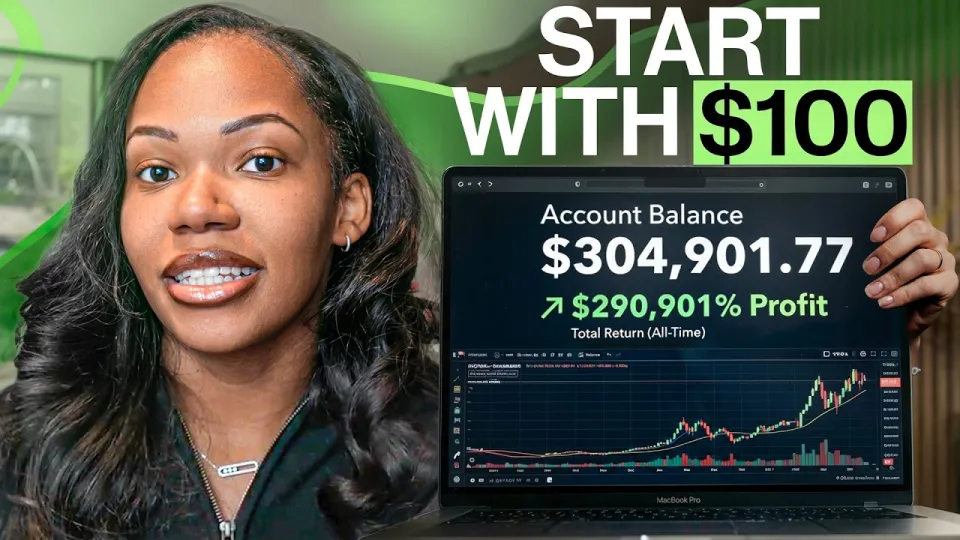
Video: How To Start Trading As A Beginner In 2026 (Step-by-Step)
Start With Paper Trading Before Real Money
Paper trading is simulated trading without risking actual money. It allows you to practice strategies and build confidence. Sierra advises if you can’t double $1,000 on paper, you shouldn't risk real money. This step helps you avoid costly mistakes and emotional trading early on.
Master Three Key Concepts First
Before diving deep, focus on these fundamentals:
- Risk Management – Always know how much you can afford to lose on a trade.
- Market Structure – Learn how markets move in trends and reversals.
- Psychology of Trading – Control emotions like fear and greed to make rational decisions.
Understanding these will increase your chances of consistency and long-term success.
Set Realistic Capital and Goals
You do not need $10,000 or more to start trading. Beginning with $300 to $2,000 is sufficient. Avoid chasing huge gains quickly as trading is not a get-rich-quick scheme. Instead, aim for steady growth and learning. Many beginners quit within two months because of unrealistic expectations or emotional losses, so set small achievable goals.
Engage with a Supportive Trading Community
Joining a supportive community like Sierra Aaliyah's Crystal Academy Discord helps you stay motivated and learn faster. You can ask questions without judgment, share experiences, and access mentorship which greatly improves your learning curve.
Learn to Read Candlesticks and Market Patterns
Candlestick charts are fundamental to understanding price action. Learning to read patterns helps identify potential entry and exit points. Sierra’s linked video on candlesticks is a great resource to start with. Combining this skill with market structure knowledge enhances your trading edge.
Conclusion
Starting trading as a beginner requires patience, the right tools, and a solid foundation in key concepts like risk management, market structure, and trading psychology. Using platforms like Webull and TradingView and practicing paper trading can build your confidence without risking large sums. Joining a community such as Sierra Aaliyah’s Crystal Academy can provide essential support and mentorship. Trading is a journey, not a sprint, and with persistent learning and realistic goals, success is achievable.
Useful Links
- Join Crystal Academy Discord for mentorship and community: https://whop.com/c/crystal-academy/youtube
- Sign up for Webull broker with free stocks: https://www.webull.com/k/SierraUSA
- Sierra Aaliyah’s Instagram: https://www.instagram.com/sierra.aaliyah/
- Sierra Aaliyah’s TikTok: https://www.tiktok.com/@sierraxliyah
Final Thoughts
This guide is based on the educational approach of Sierra Aaliyah, who started trading with $1,400 and no formal background and now teaches thousands how to trade effectively. Remember to start small, be patient, and keep learning. Joining her community can accelerate your progress and help you avoid common beginner mistakes.
Key takeaways
- Start with $300–$2,000 for trading capital
- Paper trade before using real money
- Understand calls and puts in options trading
- Use Webull broker and TradingView charts
- Master 3 key trading concepts first
- Trading is not a get-rich-quick scheme
- Join communities like Crystal Academy for support
Questions & answers
Is trading a way to get rich quickly?
No, trading is not a get-rich-quick scheme. It requires education, patience, risk management, and consistent effort over time to become profitable.
How much money do I need to start trading?
You can start trading with as little as $300 to $2,000. It's more important to learn and practice with small amounts than to begin with large capital.
What is paper trading and why is it important?
Paper trading is simulated trading using virtual money. It allows beginners to practice strategies and understand market dynamics without risking real money, which helps build confidence and skill.
Should I trade options or futures as a beginner?
Options are often more flexible for beginners with limited time, allowing you to buy calls and puts. Futures require higher capital and involve more risk. Choose based on your schedule, risk tolerance, and what you understand better.
Source: How To Start Trading As A Beginner In 2026 (Step-by-Step) · Markdown version